Remote moorlanders fear water disruption
By Sarah Hartley
At a glance
Residents near the proposed Hope Moor Wind Farm are concerned that construction could disrupt their private water supplies, as the development site includes 31 old lead-mine shafts. Fred. Olsen Renewables' plans do not include baseline water testing, raising fears of potential contamination from lead, cadmium, and arsenic. The company claims it will work with the Environment Agency on monitoring, but the community remains worried about the lack of initial water assessments.
- 31 lead-mine shafts, no baseline water tests:The gap in Hope Moor Wind Farm plans
- Householders raise fears that disturbing old mine workings to build a major windfarm could impact essential private water supplies.
- Fred. Olsen Renewables’ Scoping report flags old lead-mine workings on the moor yet proposes no baseline testing of the springs dozens of households drink from.
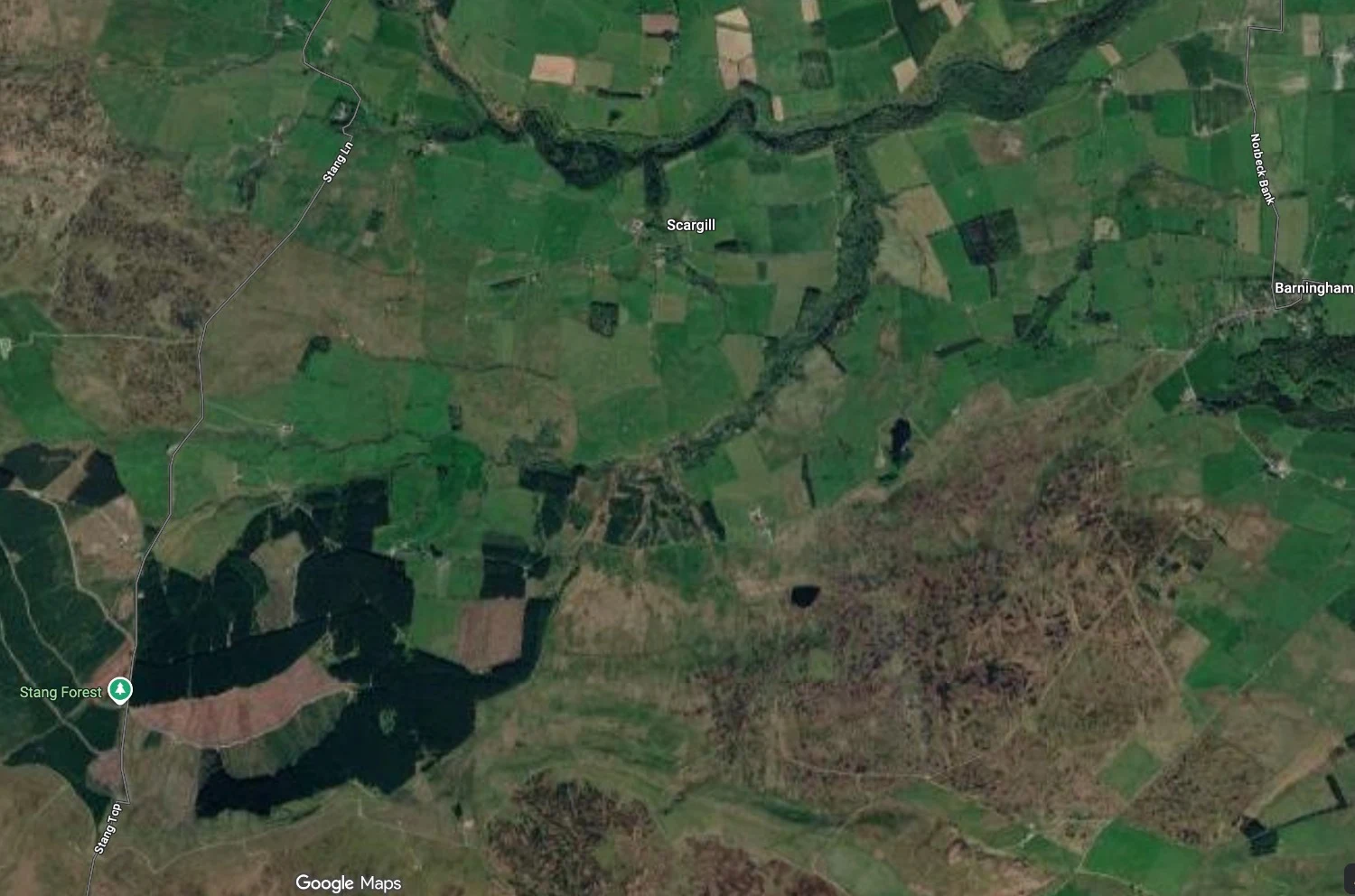
For generations, a scatter of homes on the moors above Barningham drank from their own springs. Now Fred. Olsen Renewables wants to raise 23 turbines on that ground, raising community fears over the safety of their water supplies, according to the latest report from The Northern Eco.
The environmental publication (www.thenortherneco.com) has analysed the documents released for the development and spoken to one of those impacted, Nick Turner, from Far East Hope. His home lies at the foot of the proposed development, and has drawn on a spring for 200 years, with no mains supply to fall back on.
“Any disruption of that area with the foundations of the wind farm would affect the water table, and therefore our water supply… I have great concern that that will affect our water,” he said.
A community study by the Hope Moor Wind Farm Action Group has counted at least 38 such private water supplies and found many of the households relying on them had no idea about the proposed development.
What makes this more than a planning row is what lies beneath the moor. The developer’s Scoping report identifies 31 old lead-mine shafts on the site and ground likely to hold lead, cadmium and arsenic; excavating the turbine foundations could carry that contamination into the springs these homes depend on. Nothing in the plans would establish what is in the water first as the report tells consultees no water sampling is proposed.
Much of what is known about the risk has come from the community, rather than the developers. The figure of at least 38 supplies comes from the Hope Moor Wind Farm Action Group, a community interest company, which set out to map the private sources and has filed a formal objection.
Fred. Olsen says the criticism is premature. In a statement, the company’s UK development director, Euan Hutchison, said the Scoping report “is designed to identify issues for detailed assessment rather than set final methodologies.” The company would, he said, “work closely with the Environment Agency… to develop proportionate monitoring, including for ground conditions, water quality and any private water supplies.”
The regulator’s own expectation is carefully worded: it would expect developments to consider the need for further assessment of existing contamination and risks to surface and groundwater “where relevant.” Whether Fred. Olsen’s approach meets it is, for now, an open question. The Environment Agency said only that it is “currently reviewing the Scoping report” and could not comment further while that review continues.
For the households on these moors, the question is no longer whether the water might change, but whether anyone will be watching if it does. On current plans, no one will.
Public consultation on the plans closes 30 June. Responses can be submitted online at hopemoor.co.uk.
Issued by [email protected]. Distributed by WebPR UK.
About [email protected]
Notes for editors For further press information and interview requests please contact: Sarah Hartley, info@attentionseekr.com, +44 (0) 7795 455 124. This article is available for use free of charge under a creative commons share and attribution licence. This means The Northern Eco is to be credited if used. www.thenortherneco.com. The Northern Eco (www.thenortherneco.com) is an independent journalism outlet established in 2023 by environment journalist Sarah Hartley (https://www.linkedin.com/in/sarahhartley). The first public consultation period for the proposal from Fred Olsen Renewables runs until 30 June 2026. Opponents to the wind farm proposal can be contacted at this Facebook page.